

Many applicants for rhinoplasty are looking for an alternative method due to complications of the procedure, fear of anesthesia and the surgical blade, or other reasons. Nasal fillers are one of the most popular methods for temporarily correcting some defects in this area. Below, we have provided detailed information about nasal filler injections to answer your questions about this.
What is nasal filler?
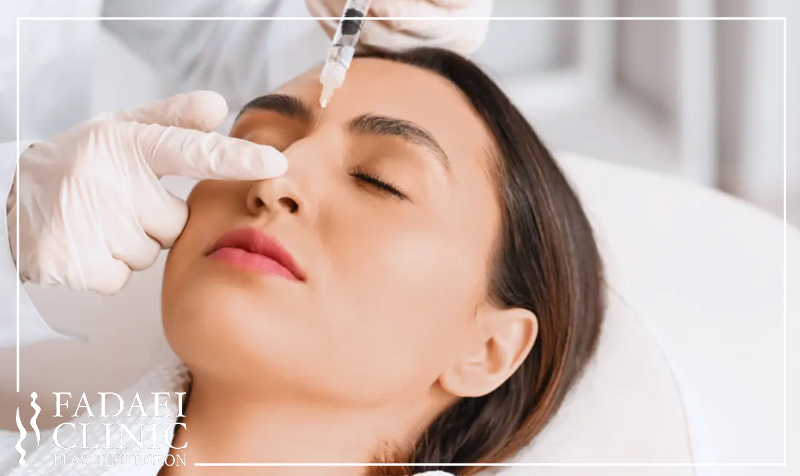
Nasal fillers are a non-invasive cosmetic procedure that uses fillers such as hyaluronic acid to improve the shape and appearance of the nose without surgery. This procedure is suitable for people who want to temporarily correct a hump, depression, curvature, or drooping tip of the nose.
Bone nose filler
People with bony noses are often unhappy with the hump or protrusion on their nose. In these cases, the doctor will smooth the surface of the nose by injecting filler into the upper and lower parts of the hump. In some cases where the tip of the nose is slightly drooping, injecting a small amount of filler into the tip of the nose can create a visual error and make the tip of the nose appear higher.
Fleshy nose filler
Fleshy noses are not ideal candidates for filler injections due to thick skin and weak cartilage. However, if the fleshy nose is not too large, your doctor can make it appear somewhat longer and more balanced by injecting filler into specific areas, such as the bridge or tip of the nose.
Steps for nasal filler injection
The nasal filler injection process usually takes less than an hour and does not require hospitalization or anesthesia. The steps for nasal filler injection are as follows:
- Initial consultation and examination: The doctor evaluates the shape of the nose, skin type, and facial proportions.
- Choosing the type of filler: Depending on the patient’s needs, the appropriate filler (most often hyaluronic acid) is selected.
- Local anesthesia: Anesthetic cream or injection is used to reduce pain.
- Filler injection: The doctor injects the filler into the specified areas with a very fine needle or cannula and manually corrects its shape.
- Result Review: Finally, the final shape of the nose is examined from different angles and minor corrections are made.
How long does nasal filler last?
The duration of nasal fillers usually varies between 6 and 18 months and depends on factors such as the type of filler, body metabolism, lifestyle and post-injection care. If the injection is performed by an experienced doctor and with a high-quality filler, the results may last for more than a year. To maintain the desired shape, re-injections can be performed after the filler has been absorbed.
Who is nasal filler suitable for?
Nasal filler injections are very suitable for minor cosmetic corrections, especially when the patient is not willing to undergo surgery or the structure of their nose does not require major changes. The following are the best conditions for fillers:
- A slight bump or bulge on the bridge of the nose
- Sagging of the nasal tip due to aging or decreased volume of the upper jaw bone
- A flat nose bridge, especially in Asian faces
- Correction of irregularities left over from previous surgery
- Nasofrontal asymmetry or improper angle
What age is nasal filler suitable for?
Filler injections are usually suitable for people aged 18 to 65. At younger ages, due to the active growth of facial tissues, the shape of the nose may change over time. In people over 65, the level of skin elasticity and general condition of the body should also be assessed by a doctor.
Who should not have nasal filler injections?
Although nasal fillers are a safe procedure, there are some cases where your doctor may recommend avoiding them. The most important contraindications to fillers include:
- Age under 18 years (because nasal growth is not yet complete)
- Very large, fleshy noses that cannot be corrected with fillers
- Autoimmune diseases or uncontrolled diabetes
- Sinusitis or active infections
- People with severe allergies or a history of sensitivity to fillers
- Pregnant and breastfeeding women
- People whose nose has already been broken or has a severe structural deformity
Important steps before nasal filler injection
Since nasal fillers are a non-invasive procedure, they usually don’t require any special preparation. However, doctors recommend that you stop taking certain medications and supplements that thin the blood at least two to three weeks before your procedure, as these can increase the risk of bruising and bleeding. Medications and foods that are contraindicated include aspirin and ibuprofen, glucosamine, chondroitin, ginseng, ginkgo biloba, garlic pills, horsetail, and ephedra, and caffeinated beverages (such as coffee).
Also, avoid alcohol and tobacco consumption 48 hours before the injection to maintain normal blood flow and prevent disruption of the tissue repair process.
It is also necessary to observe the following points:
- Avoid invasive skin treatments such as microneedling or chemical peels one week before the injection.
- Tell your doctor exactly about your medications, underlying conditions, history of allergies, or active infections.
- Do not inject during a cold or active herpes.
- Appear without makeup on the day of the injection to reduce the risk of infection or inflammation.
Care after nasal filler injection
Ignoring post-injection recommendations may cause the filler to shift or increase swelling. Below, we review important points you should follow after your injection.
Immediately after nasal gel injection
- Avoid lying down or bending your head for prolonged periods of time for up to 4 hours after the injection.
- Do not touch, press, or massage the injection area until the filler has set in place.
- Avoid applying makeup or skin creams to the nose area for 24 hours.
- To reduce swelling and bruising, you can use a cold compress without direct pressure.
- It is best to sleep with your head slightly elevated on the day of the injection to reduce swelling.
Care for the first few days after the injection
After the injection, the nasal tissue needs time to absorb the injected materials and stabilize them in its structure. It is very important to observe the following points during this period:
- Avoid strenuous activity, exercise, and sudden movements for 48 hours.
- Avoid going to saunas, hot tubs, and swimming pools for one week after the injection; heat and humidity increase inflammation.
- Avoid alcohol and cigarettes, as they increase the risk of bruising and inflammation by weakening blood circulation.
- Avoid direct exposure to sunlight and excessive heat for a few days.
- Avoid using tweezers, waxing, or chemical skin products on the injected area until it is fully healed.
The best nose filler center in Tehran
If done in a reputable center and with high-quality fillers, nasal fillers provide a completely natural and complication-free result. If you are looking for a non-surgical, painless, and immediate nose correction, Dr. Fadaei Beauty Clinic is the best nasal filler center in Tehran. In this center, filler injections are performed by specialist doctors using reputable global brands.
Frequently Asked Questions About Nose Fillers
- Is nasal filler a permanent alternative to rhinoplasty?
No. Nasal fillers can only temporarily correct some superficial irregularities. Surgery is still required for major changes such as making the nose smaller, correcting a deviated septum, or correcting breathing problems.
- Does nasal filler injections hurt?
Nasal filler injections are usually performed under local anesthesia and are very painless.
- Are nasal fillers dangerous?
Injections are safe if performed by a dermatologist or cosmetic surgeon with approved fillers. However, injections by non-specialists can cause infection, necrosis, or blockage of nasal vessels.
- Will the face remain natural after nasal filler injection?
Yes; if the injection is performed by a skilled doctor, the result will be completely natural and harmonious with the facial features. Over-injection or in the wrong places may create an artificial appearance.