

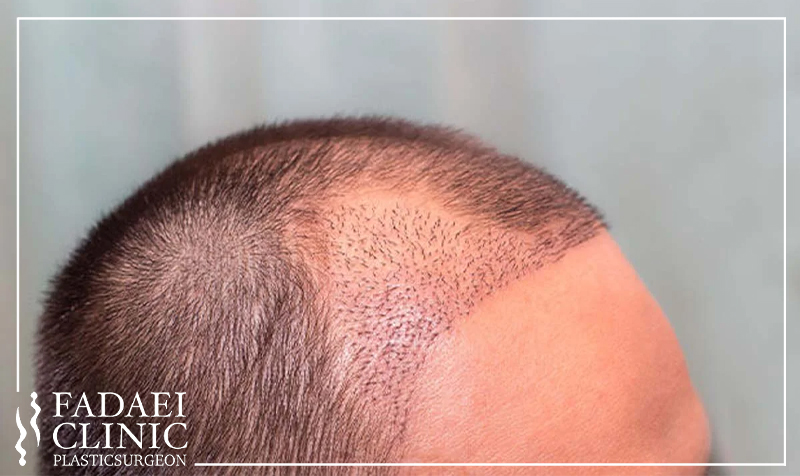
Hair loss after transplantation is known in scientific terms as shock alopecia. This phenomenon is completely natural and temporary and is not a sign of follicle rejection or failure of the procedure. Below, we will learn about the reasons, stages, and methods of controlling this type of loss. You will also learn about abnormal hair loss after transplantation.
Why do we experience hair loss after hair transplantation?
During the transplant procedure, follicles are harvested from the hair bank area and transplanted to the new area. This process causes physical stress to the follicles. As a result, the newly transplanted hairs enter a resting phase for a period of time and the existing hair shafts begin to fall out.
This phenomenon occurs between two and six weeks after transplantation and usually involves all the transplanted hairs. The important thing is that the follicles remain healthy and after a short period, they start producing new hair again.
Types of hair loss after transplantation
- Transplanted hair loss: This type of loss occurs between 2 and 6 weeks after surgery and is the result of the scalp’s natural reaction to the surgery.
- Hair loss around the transplant area:In some people, the natural hair around the transplant site also temporarily loses. This condition is caused by stress or changes in blood flow to the scalp and is usually reversible.
- Hair loss in the donor area:Sometimes the follicles at the back of the head (where the hair was harvested) temporarily enter a resting phase. This is normal and will resolve after a few months with proper care.
Time and stages of hair loss after transplantation
The process of hair loss and growth after transplantation proceeds in stages; we have described these stages below:
1. The first to fourth week after hair transplantation
In the first few weeks, the follicles adapt to the new environment. At this time, hair growth stops and the shafts begin to fall out.
2. 20 to 40 days after hair transplantation
Approximately 80-100% of the transplanted hair will fall out of the shaft. This is the most natural part of the transplant process and marks the beginning of follicle stabilization.
3. Three to four months after hair transplantation
The follicles enter a resting phase. During this time, hair growth is not visible, but underneath the skin, a process of cellular renewal is taking place.
4. Five to six months after hair transplantation
The first new hairs begin to grow as fine, coarse strands. The person notices a gradual improvement in hair density.
5. Eight to nine months after hair transplantation
About half of the transplanted hairs begin to grow actively and take on a more natural shape.
6. One year after hair transplantation
The final result of the transplant will be visible. The new hair will be thicker, healthier, and more permanent. At this time, the hair can be trimmed or styled.
When is hair loss after transplantation dangerous?
- Hair loss accompanied by pain, bleeding, or severe inflammation
- Discharge or bad odor from the implant site (sign of infection)
- Sudden and severe drop in volume
- Continued shedding after the fourth month
Strategies to prevent hair loss after transplantation
Hair loss after transplantation is a natural phenomenon, but following the doctor’s care instructions and being patient until the hair grows back completely (9 to 12 months) will help you achieve excellent results. The following are the most important care tips to prevent severe hair loss after transplantation:
1. Follow your doctor’s instructions.
The first and most important factor in preventing further hair loss is to follow your doctor’s instructions carefully. These instructions include sleeping habits, bathing, medication use, and physical activity restrictions.
2. Use of prescription drugs
Effective medications for controlling hair loss after transplantation include minoxidil and finasteride.
3. Maintaining proper nutrition
A diet rich in protein, vitamins, and minerals is essential for hair regrowth. B vitamins, vitamins E and D, zinc, iron, and biotin play a key role in nourishing the follicles. These supplements are recommended for two months before and six months after transplantation.
4. Avoid stress.
Psychological stress may exacerbate hair loss by increasing the secretion of the hormone cortisol.
Preventing hair loss after hair transplantation with some clinical treatments
If you experience excessive hair loss after transplantation, you can use the following strengthening treatments in consultation with your doctor:
Plasma therapy
PRP is a new method of hair growth after transplantation. It uses platelet-rich plasma extracted from the patient’s blood. Platelets contain growth factors that stimulate follicles, increase collagen production, and accelerate tissue regeneration.
Scientific research has shown that regular PRP sessions at 4-6 week intervals can increase hair density by up to 30% and speed up the regrowth of transplanted hair.
Hair mesotherapy
Mesotherapy involves the direct injection of nutrients, vitamins, and minerals into the middle layer of the scalp. This method improves local blood flow and increases the resistance of the follicles to loss. Mesotherapy sessions can usually be started from the fourth month after implantation.
Combination drug therapy
In some patients, a combination of topical (minoxidil), oral (finasteride), and injectable treatments under the supervision of a physician may produce the best results. Self-medication with any of these methods may cause unwanted side effects such as scalp inflammation or hormonal imbalances.
Hair loss treatment after transplantation in the best hair transplantation clinic in Tehran
If you have experienced abnormal hair loss or are concerned about hair regrowth after a hair transplant, it is important to visit a reputable center. At Dr. Fedayee Beauty Clinic, all transplant procedures and aftercare are performed under the supervision of expert doctors using the latest methods. Our professional team will help you see your hair grow back, thicker, and longer in the shortest possible time by providing specialized strengthening treatments.
Frequently asked questions about hair loss after transplantation
- Is hair loss after transplantation a sign of failure?
No; hair loss from transplanted hair means the follicles are settling and a new growth cycle is starting. You should only be concerned if the loss is accompanied by pain, inflammation, or discharge.
- Does transplanted hair grow back after it falls out?
Yes. After the resting period ends, the follicles re-enter the growth phase and the new hairs grow thin at first and then thicker. Regrowth is usually clearly visible from the fifth to ninth month.
- What is the proper nutrition to prevent hair loss after transplantation?
A diet rich in protein, iron, zinc, B vitamins, vitamin D, and biotin is essential for hair regrowth. Eggs, fish, nuts, and green vegetables are recommended.
- Can stress or insomnia cause hair loss after transplantation?
Absolutely yes. Stress increases the hormone cortisol, which is one of the main causes of hair loss after transplantation. Mental peace and adequate sleep play an important role in improving hair growth.