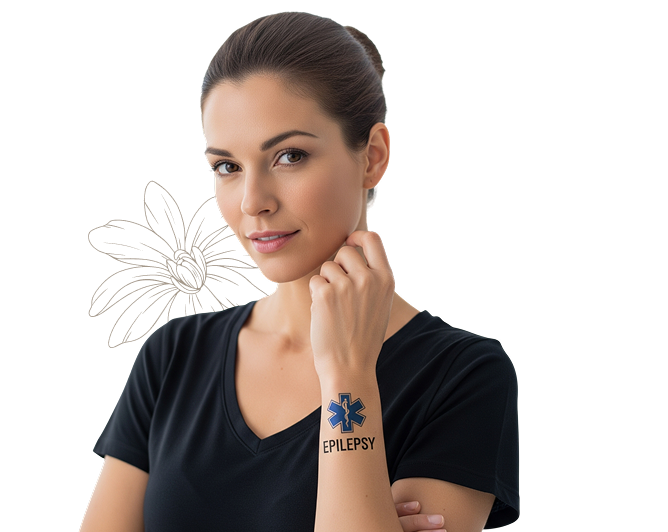
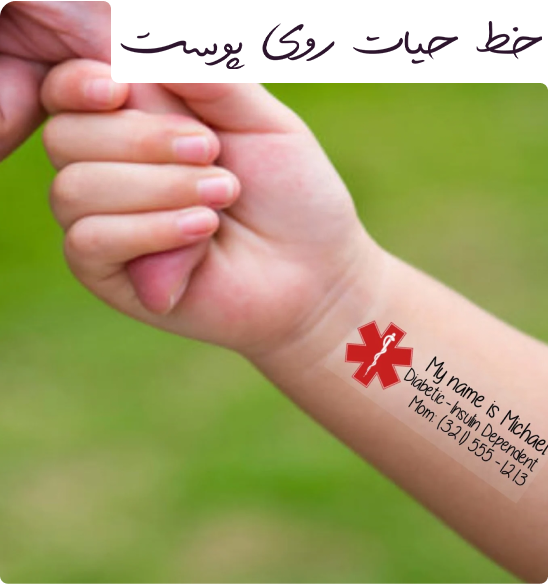
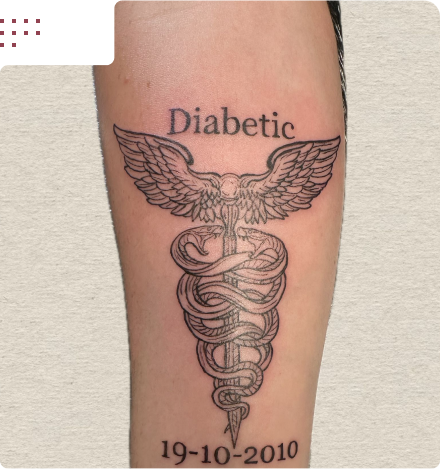
Medical tattooing is one of the new methods in the field of skin regenerative treatments that, unlike cosmetic tattoos, does not aim to create a decorative design or color, but rather to restore the natural appearance of the skin in damaged areas. This technique helps improve the appearance of scars, suture marks, skin blemishes, or areas without pigment (such as vitiligo) by precisely injecting medical pigments into the surface layers of the skin. Medical tattooing is performed in specialized skin clinics, including Dr. Fedayee’s clinic, using sterile equipment and pigments that match the skin color to achieve a natural and lasting result.
Medical tattooing or Medical Micropigmentation is essentially a type of specialized microscalp that is performed for therapeutic and reconstructive purposes. The main difference from cosmetic tattoos is the purpose and depth of penetration of the color. In medical tattoos, pigments are injected shallower and more precisely to perfectly match the natural skin color, while regular tattoos are more decorative and have a deeper color depth.
Initially, skin type, severity of scars, depth of wrinkles, and overall skin condition are examined to select the most appropriate treatment method.
Cleansing and preparing the skin
Before the treatment begins, the skin is thoroughly cleansed and any oil, dirt, or cosmetics are removed from its surface to ensure the treatment is most effective.
Performing selective treatment (based on skin needs)
Depending on the skin condition, one or a combination of scar treatment methods is performed.
Relaxation and mask therapy
After the treatment is complete, restorative, hydrating, and healing masks are used to reduce inflammation and nourish the skin.
Post-treatment care
Recommendations for home care are provided, including using sunscreen, avoiding irritants, and using restorative products to help the skin recover better.
Lorem Ipsum is a fabricated text with the production of incomprehensible simplicity from the printing industry and using graphic designers, printers and texts, but also newspapers and magazines in columns and rows as necessary and for the current conditions of technology required and diverse applications with the aim of improving practical tools
Lorem Ipsum is a fabricated text with the production of incomprehensible simplicity from the printing industry and using graphic designers, printers and texts, but also newspapers and magazines in columns and rows as necessary and for the current conditions of technology required and diverse applications with the aim of improving practical tools
Lorem Ipsum is a fabricated text with the production of incomprehensible simplicity from the printing industry and using graphic designers, printers and texts, but also newspapers and magazines in columns and rows as necessary and for the current conditions of technology required and diverse applications with the aim of improving practical tools
Lorem Ipsum is a fabricated text with the production of incomprehensible simplicity from the printing industry and using graphic designers, printers and texts, but also newspapers and magazines in columns and rows as necessary and for the current conditions of technology required and diverse applications with the aim of improving practical tools
Frequently Asked Questions
Does a medical tattoo hurt?
No, local anesthesia is usually used and the person only feels a slight tingling sensation during the procedure.
Is a medical tattoo permanent?
No, the pigments fade over time and usually need to be touched up every 2 to 3 years.
Does medical tattooing work for vitiligo?
Yes, in cases where the disease is in a stable stage, this procedure can significantly improve the appearance of the skin.
Is there a risk of infection or allergy?
If performed in a reputable clinic and using sterile materials and standard dyes, the risk of infection is very low.
How long does it take to see the final result?
Usually after 2 to 3 weeks the color will stabilize and the final result will be visible.
Can medical tattoos be done on all skin types?
Yes, by carefully selecting the color and adjusting the injection depth, the doctor can create a natural result for any skin tone.
Consultation reservation form
Fill out the form now and benefit from free consultation + special discount!