Hair transplant

Hair transplant
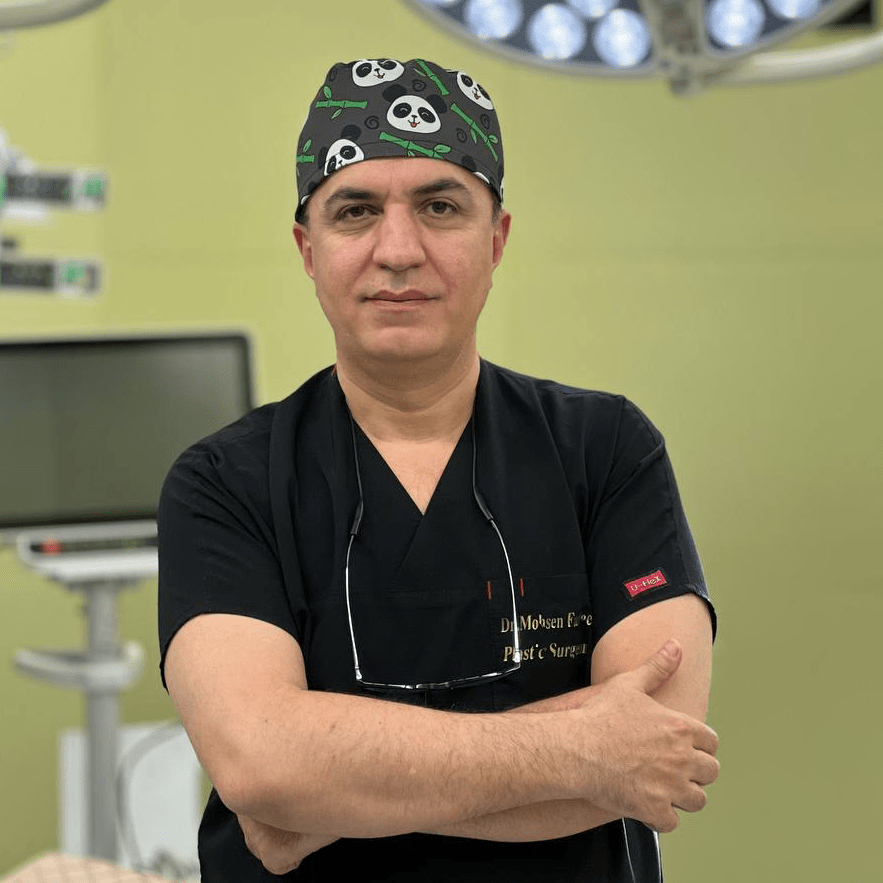
Dr. Mohsen Fadaei

Hair transplant methods

FUT hair transplantation

The FUT method, or follicular unit transplantation, is one of the oldest techniques in hair transplantation. In this method, a thin strip of skin is removed from the back of the scalp and its follicles are separated under a microscope. The grafts are then implanted in the thinning or balding area. The advantages of this method include high density, lower cost, and good quality of follicles, while its disadvantages include the scar line remaining on the back of the head, a longer recovery period, and the possibility of postoperative pain.

Hair transplantation using the FUE or FIT method

In the FUE method, sometimes called FIT, follicles are removed from the hair bank in individual units with a fine instrument or micromotor. This technique does not require stitches and the scar is very small. Natural appearance, low bleeding, suitability for hair transplantation in eyebrows and beards are some of the advantages of FUE hair transplantation, and its disadvantages are as follows: long operation time, higher cost, possibility of damage to the follicles during harvesting.

Hair transplantation using the DHI method

The DHI method is a more advanced version of FUE. In this technique, special pens (Choi Pen) are used to directly implant follicles and there is no need to create previous channels in the skin. The advantages of DHI hair transplantation are that it is performed more delicately and has a shorter recovery period, but this method is relatively expensive.

Hair transplantation using the SUT method

SUT is one of the newest hair transplant methods in Tehran, performed with the help of an automatic machine. In this method, up to 14,000 hairs can be transplanted in one session. The advantages of SUT hair transplant include high speed, high density, no need for surgery or stitches, and very little pain and bleeding. Its disadvantages include the possibility of temporary swelling in the forehead area after the procedure.

Hair transplantation using Micro FIT and Micro Graft methods

These methods are improved versions of FIT, performed with more advanced instruments. The harvesting and implantation of follicles is done with greater precision, and the final result has a very natural appearance. These two methods are introduced with advantages such as higher density, natural appearance and short recovery period, and disadvantages such as the length of the implantation session and the need for multiple sessions to completely cover the baldness.

Hair transplantation using the BHT method

In patients who do not have enough hair from their scalp, hair from other parts of the body, such as the beard, chest, or shoulders, is used. This procedure is known as BHT or Body Hair Transplant. Since the type and condition of body hair is different from scalp hair, the final result of this procedure is not always satisfactory.

Benefits of hair transplantation
Dr. Mohsen Fadaei

Hair transplant steps

Adaptation stage (first week of hair transplantation)

In the early days, the transplanted follicles should adapt to the scalp. During this time, the transplant site should not be scratched or manipulated, as there is a risk of damaging the grafts.

Hair loss stage (2 to 4 weeks after hair transplantation)

Transplanted hair shedding at this stage is normal and indicates that the follicles have entered a new growth cycle. This shedding does not mean that the procedure has failed; it is part of the success of the transplant.

Initial growth stage (3 to 6 months after hair transplantation in Tehran)

New hair begins to grow but is thin, short, and sparse. At this time, only half of the final result may be seen.

Final growth stage (9 to 12 months after hair transplant)

Most of the new hairs appear and become thicker. The growth rate at this stage reaches the same rate as natural hair, about 1 to 2 centimeters per month.

Hair transplant steps
Dr. Mohsen Fadaei

Before and after pictures

Dr. Mohsen Fadaei

Introducing doctors

Dr. Mohsen Fadaei

Plastic Surgery Specialist

Dr. Nazanin Aryanejad

Obstetrician and Gynecologist

Dr. Mohsen Fadaei

Visitors' comments

Dr. Mohsen Fadaei

Frequently Asked Questions

No. There are no absolute restrictions on hair transplantation; however, it is generally not recommended for people under the age of 25 because the likelihood of continued hair loss and the need for restoration is higher.

Yes. Women with diffuse thinning or skin scarring can benefit from more subtle methods such as DHI or FUE. The best age for women is usually between 40 and 55 years old.

If done correctly and with proper care, the transplanted follicles are permanent and lifelong; because they are extracted from areas resistant to shedding.

It usually takes between 7 and 10 days for the wounds to heal and the person to be able to return to daily life

Due to the use of local anesthesia, the procedure is performed painlessly. After the procedure, there may be some mild itching or burning, which can be controlled with prescription medications..

Temporary hair loss (called hair loss shock) in the first month is normal. However, the transplanted follicles are permanent and new, resistant hair will grow after a few months..

Depending on the method chosen and the number of grafts, hair transplantation usually takes between 4 and 8 hours in one session.

In most cases, no. However, if the hair bank is weak or the desired density is not achieved, a minor touch-up session may be necessary after 12 months.

Yes, if performed by an experienced doctor, the hairline and density are completely natural and no different from the natural hair on the head.

Dr. Mohsen Fadaei

Consultation reservation form

Fill out the form now and benefit from free consultation + special discount!